7 Surprising Facts About Why Cats Are Not Fully Domesticated
Cats are one of the most popular pets worldwide, yet experts often debate whether they are truly domesticated. Unlike dogs, which have been fully shaped by humans for thousands of years, cats remain closer to their wild ancestors. Their behavior, genetics, and instincts show that they are only semi-domesticated. Understanding this unique status helps explain why cats act so differently from other household pets.
Contents
- Are Cats Domesticated
- 1. Cats Domesticated Themselves
- 2. Genetic Differences Are Minimal
- 3. Hunting Instincts Never Disappeared
- 4. Limited Human Control Over Breeding
- 5. Independence Defines Feline Nature
- 6. Social Behavior Remains Flexible
- 7. Experts Classify Cats as Semi-Domesticated
- Conclusion
- FAQs About Cat Domestication
Are Cats Domesticated
1. Cats Domesticated Themselves
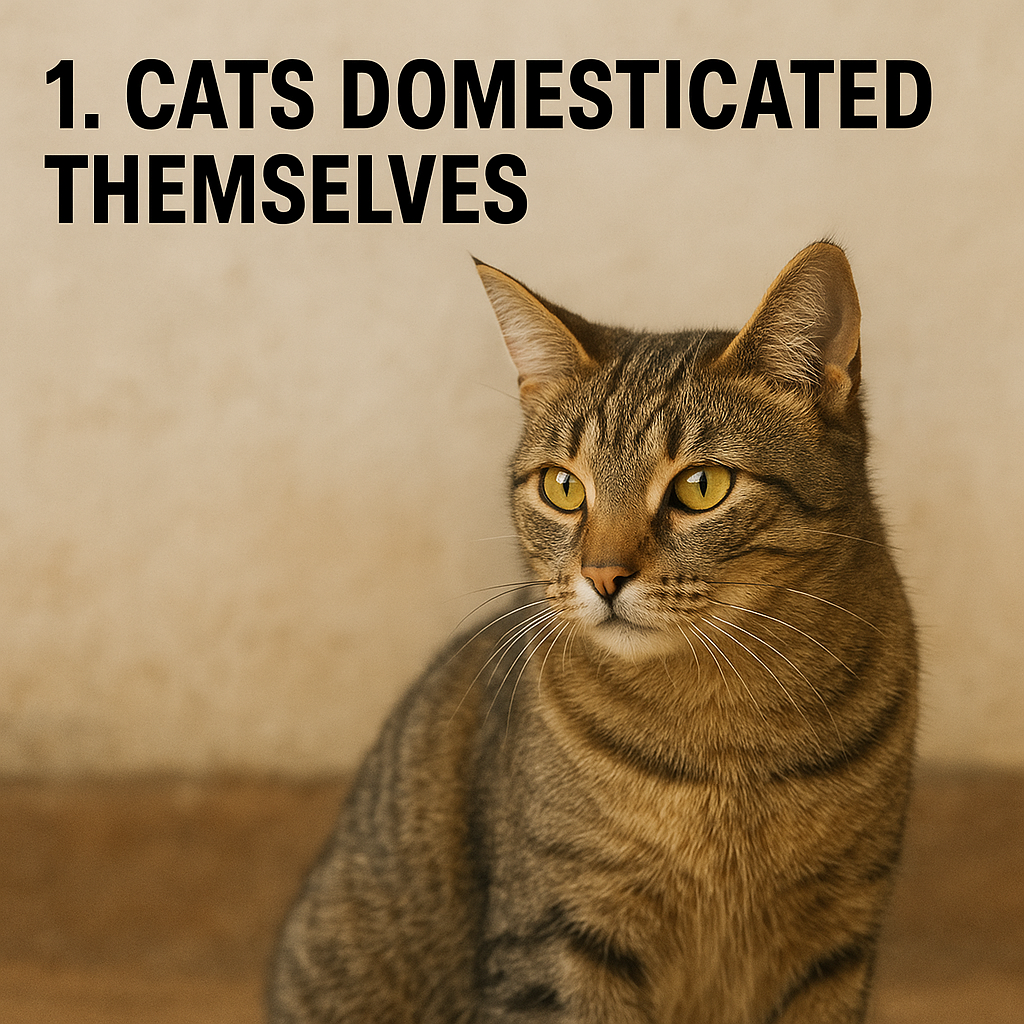
Unlike dogs, which were bred for specific tasks, cats approached humans on their own. Thousands of years ago, wildcats began living near early farming communities to hunt rodents. Over time, people tolerated their presence, and a mutual relationship developed. This self-domestication is why cats still retain much of their independence today.
2. Genetic Differences Are Minimal
Studies reveal that domestic cats share about 95% of their DNA with wildcats. This small difference shows why their hunting, territorial behavior, and instincts remain strong. Unlike dogs, which show dramatic changes from wolves, cats are genetically closer to their ancestors.
3. Hunting Instincts Never Disappeared
Even well-fed house cats often stalk birds, insects, or small animals. This behavior is not about hunger but instinct. Their sharp teeth, retractable claws, and stealth movements are still designed for survival in the wild.
4. Limited Human Control Over Breeding
Selective breeding in cats is relatively new compared to dogs. Most domestic cats worldwide are still mixed-breed with little human intervention in their genetics. This lack of heavy breeding pressure means their wild traits remain intact.
5. Independence Defines Feline Nature
Cats are known for being independent and often prefer solitude. While they enjoy human companionship, they do not rely on people in the same way dogs do. This independence is a sign that full domestication has not been achieved.
6. Social Behavior Remains Flexible
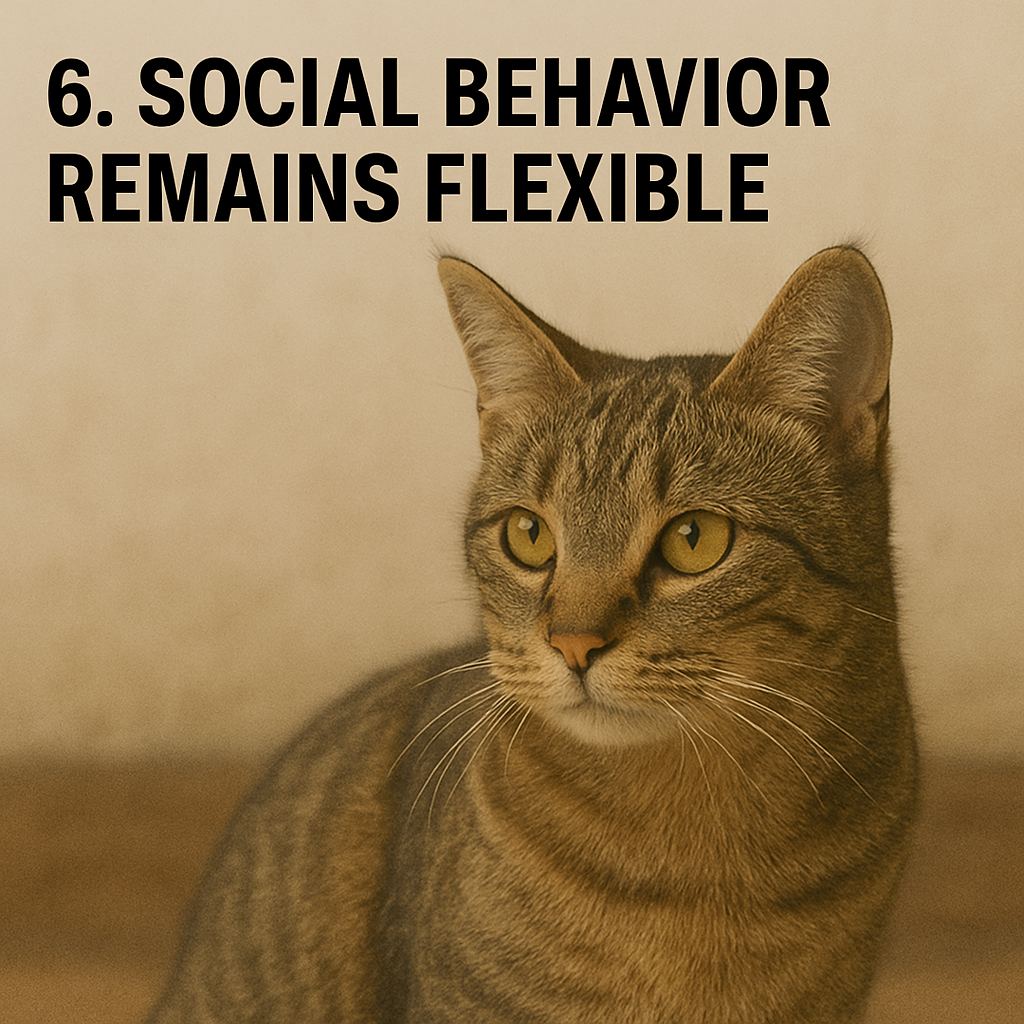
Cats can be affectionate but also highly territorial. In multi-cat households, conflicts may arise because they naturally prefer to control their own space. Such behavior mirrors their wild relatives, who are solitary hunters.
7. Experts Classify Cats as Semi-Domesticated
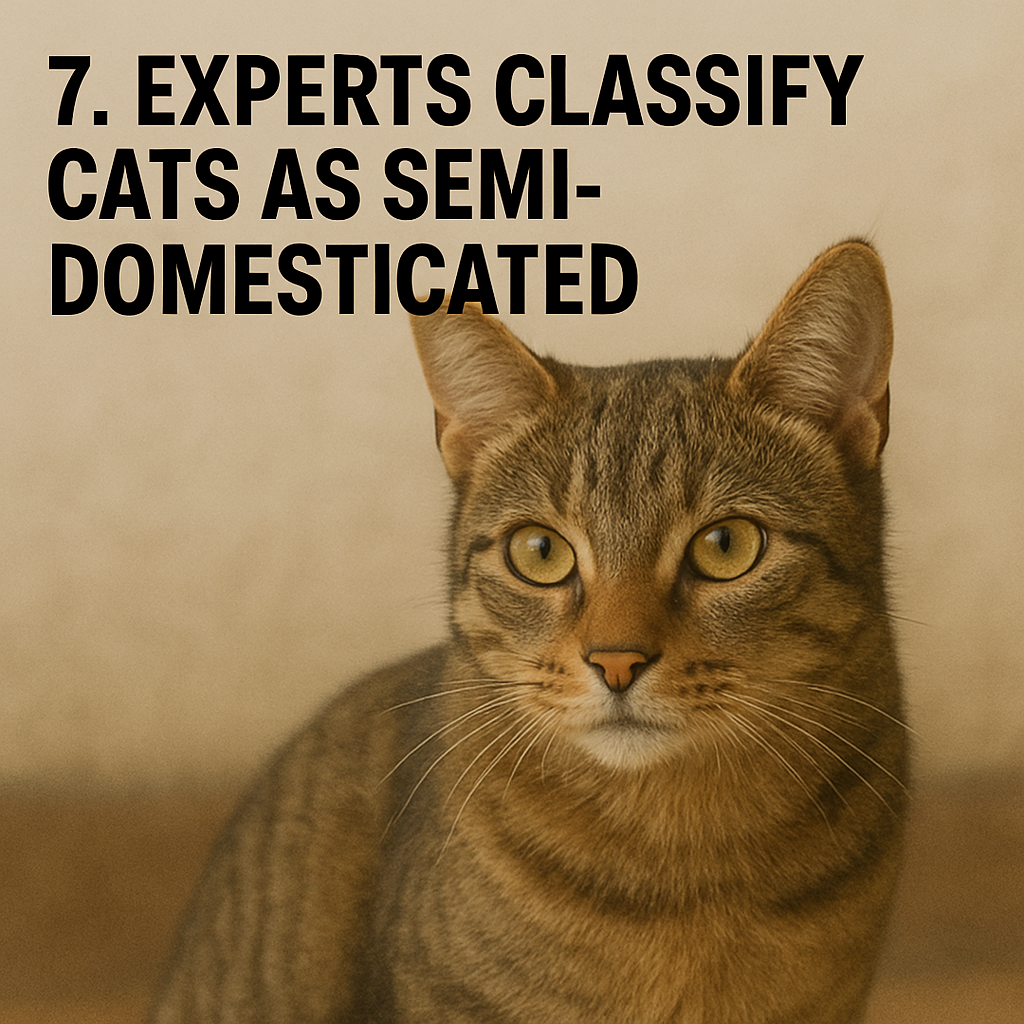
Animal behaviorists and geneticists agree that cats are semi-domesticated animals. They live comfortably with humans, but their instincts, biology, and independence keep them closer to wild animals than fully domesticated species.
Conclusion
Cats hold a special place in human lives, balancing between wild instincts and domestic comfort. Their unique history of self-domestication makes them fascinating companions. Understanding their semi-domesticated nature helps cat owners respect their independence while providing care and love.