7 Fascinating Ways Cats Communicate with Humans
Cats have their own language, and while they don’t speak in words, they use a mix of sounds, body language, and behaviors to express feelings. Understanding these signals can help you build a deeper bond with your feline friend and meet their needs more effectively.
Contents
How Cats Communicate

1. Meowing for Attention or Needs

Unlike wild cats, domestic cats meow mainly to communicate with humans. A short, high-pitched meow often signals a friendly greeting, while repeated meows may indicate hunger, play requests, or discomfort. Pay attention to the tone and frequency, as these can reveal exactly what your cat is asking for.
2. Purring as a Comfort Signal
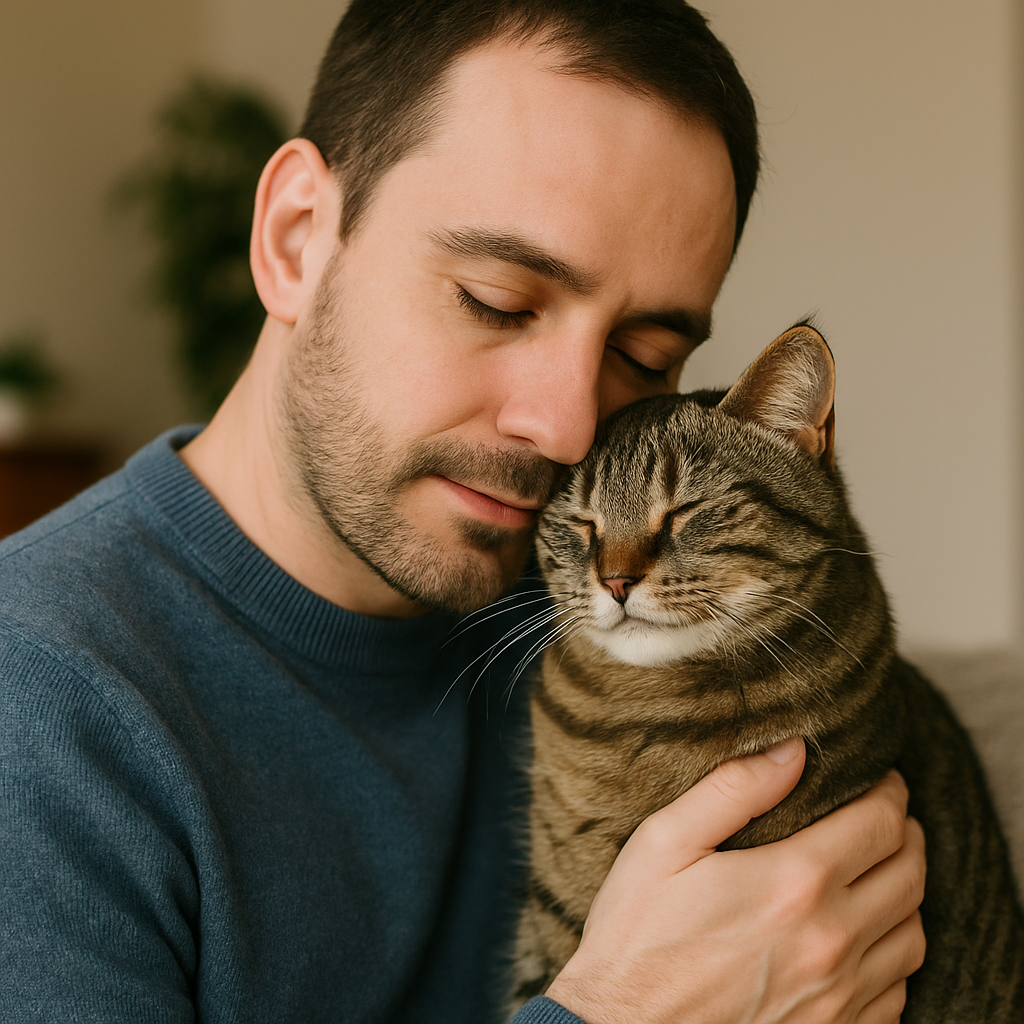
A gentle purr usually means your cat feels safe and content. However, cats also purr when they are in pain or seeking comfort. If the purring is accompanied by other signs like hiding or lack of appetite, it could be a call for help rather than happiness.
3. Tail Position as a Mood Indicator
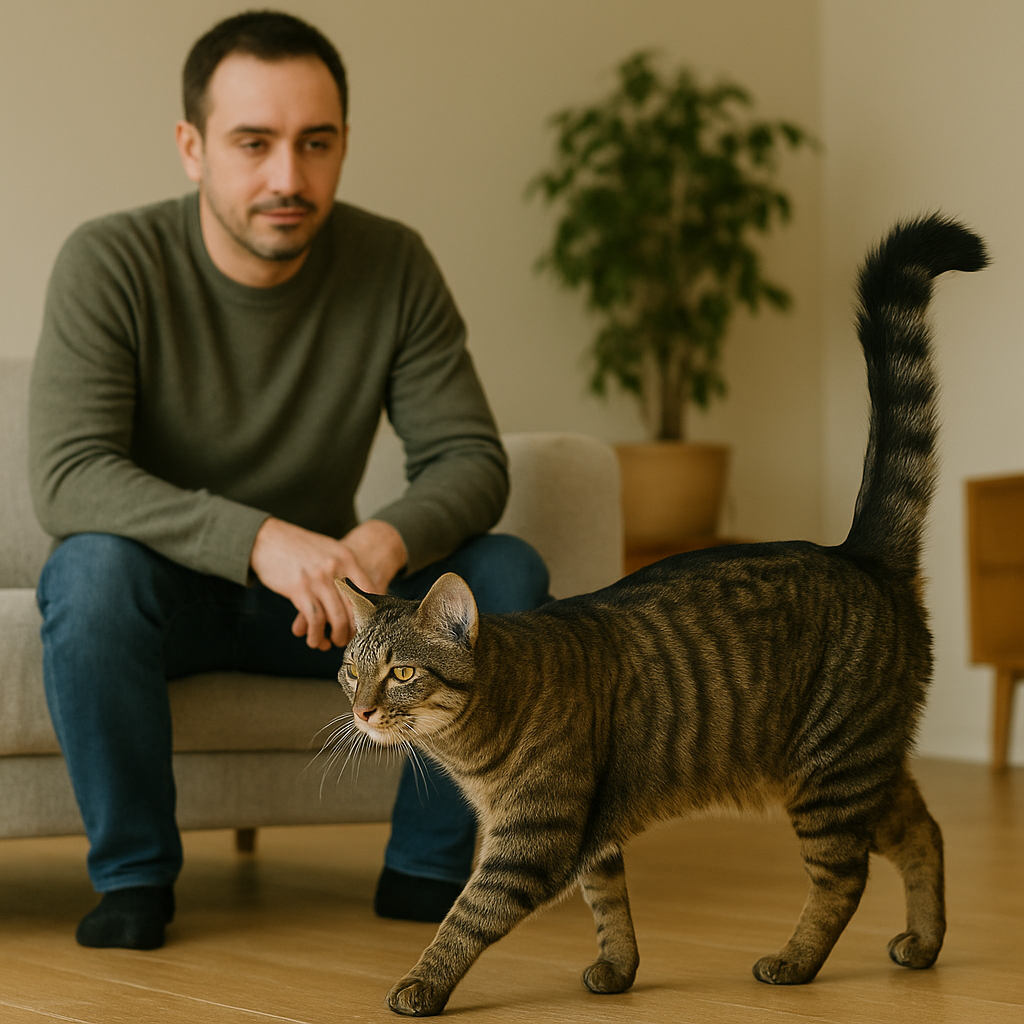
A cat’s tail speaks volumes about its mood. A straight-up tail with a slight curve at the tip shows friendliness, while a puffed-up tail indicates fear or aggression. Slow swishing may suggest focus, especially when hunting or playing.
4. Eye Contact and Slow Blinks
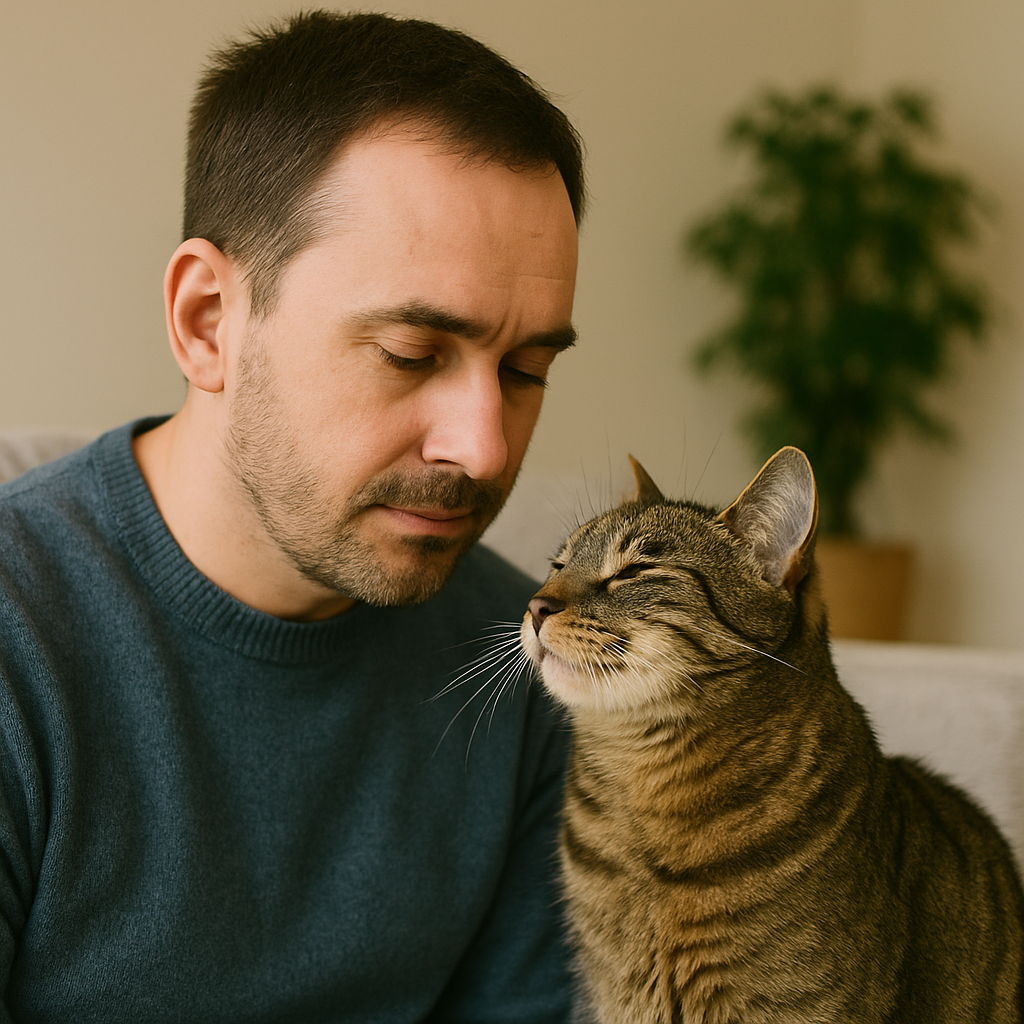
Cats communicate trust and affection through slow blinking. When a cat looks at you and blinks slowly, it’s often compared to giving a “kitty kiss.” Returning the slow blink can help strengthen your bond. On the other hand, direct, unblinking stares may be a sign of alertness or even a challenge.
5. Ear Movements and Positions
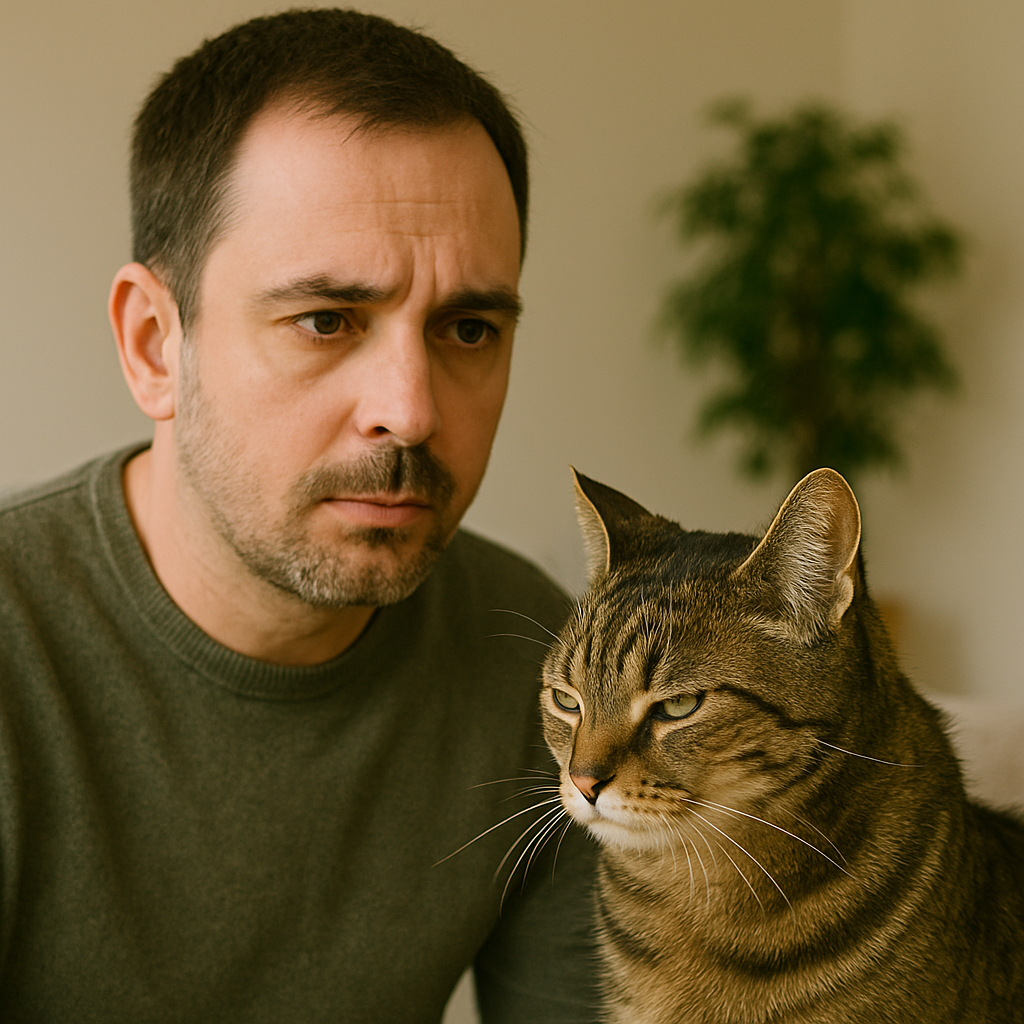
Ears that face forward show curiosity or relaxation, while flattened ears signal fear, stress, or aggression. Cats can rotate their ears independently to pick up sounds from different directions, which also helps you understand what has caught their attention
6. Grooming and Rubbing
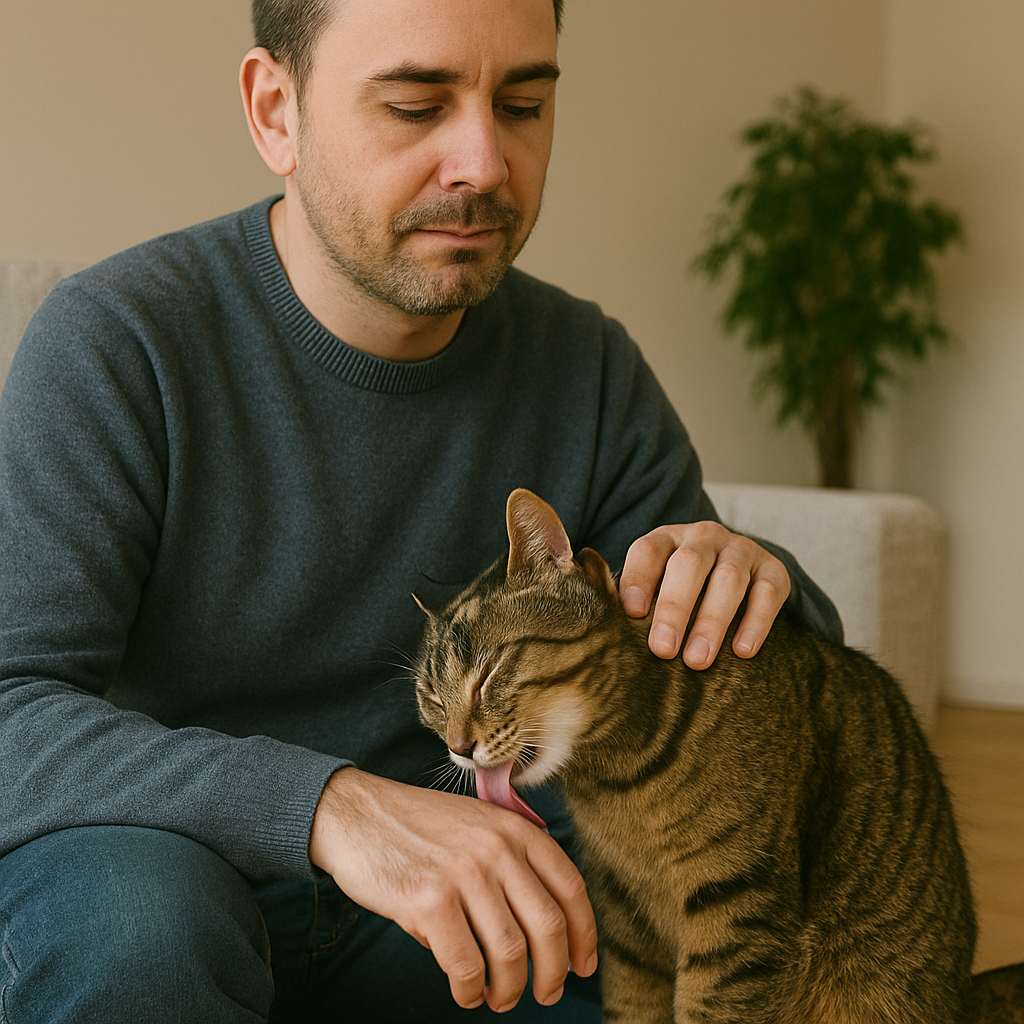
When a cat grooms you or rubs its head against your body, it’s marking you with scent glands located on its face. This is a sign of trust and ownership. Cats use this behavior to bond socially, so consider it a compliment when they share their scent with you.
7. Body Posture and Movement
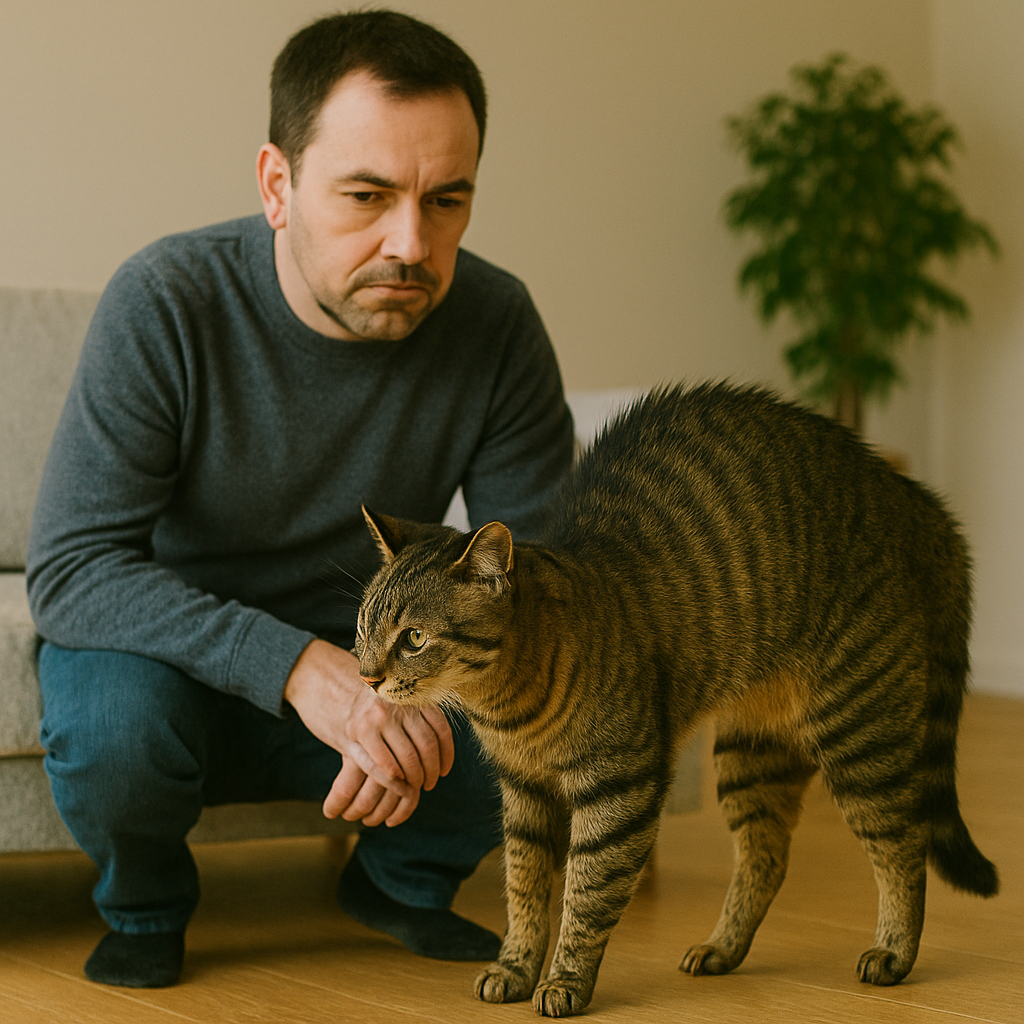
An arched back can mean two very different things depending on the context: playfulness or fear. A relaxed body with paws tucked under shows comfort, while a crouched stance may signal readiness to pounce or a defensive position. Observing the full body, not just one feature, gives a more accurate reading.
Tips for Better Understanding Your Cat
- Observe patterns in behavior over time.
- Pay attention to the environment when signals occur.
- Combine sound, posture, and movement clues for accurate interpretation.