7 Heartbreaking Signs Your Cat May Be Dying
Cats often hide illness or pain, making it hard for pet parents to know when the end is near. Understanding the changes in your cat’s behavior, body, and habits can help you give them comfort, love, and dignity in their final days. While every cat’s journey is different, there are some common signs that may indicate they are nearing the end of life.
Contents
How Cats Behave when They Are Dying

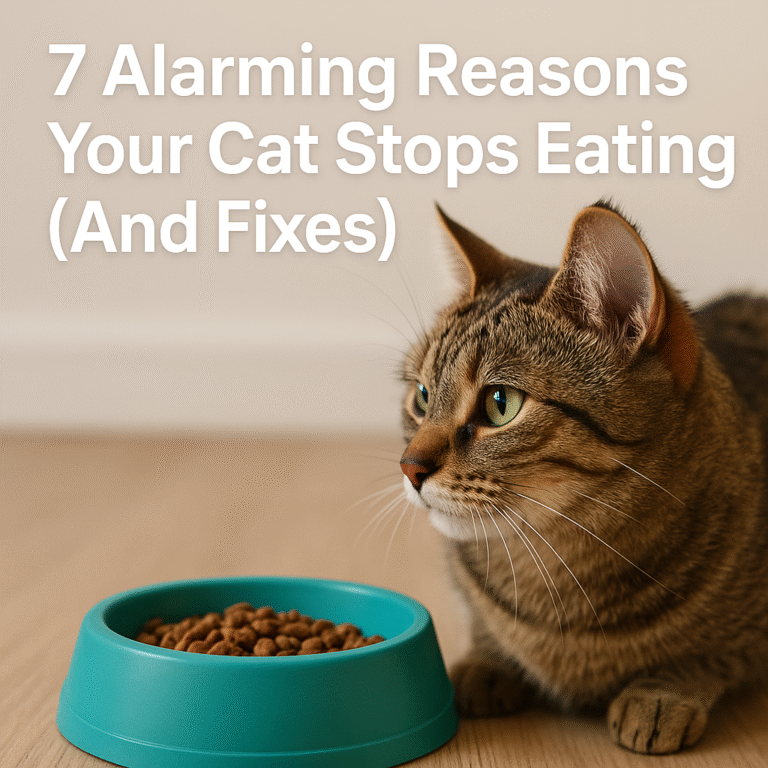
1. Loss of Appetite and Thirst

A healthy cat usually enjoys food and water regularly. When a cat is dying, they often stop eating and drinking. This may happen because their body no longer processes nutrients well, or they feel too weak. Over time, dehydration can make them more lethargic and unresponsive.
2. Extreme Lethargy and Weakness

Cats close to the end tend to rest most of the time. You might notice they sleep in quiet corners or stay in one spot for hours. Their muscles may weaken, making it hard to walk, jump, or even lift their head. They may also stop responding to sounds or movement around them.
3. Difficulty Breathing
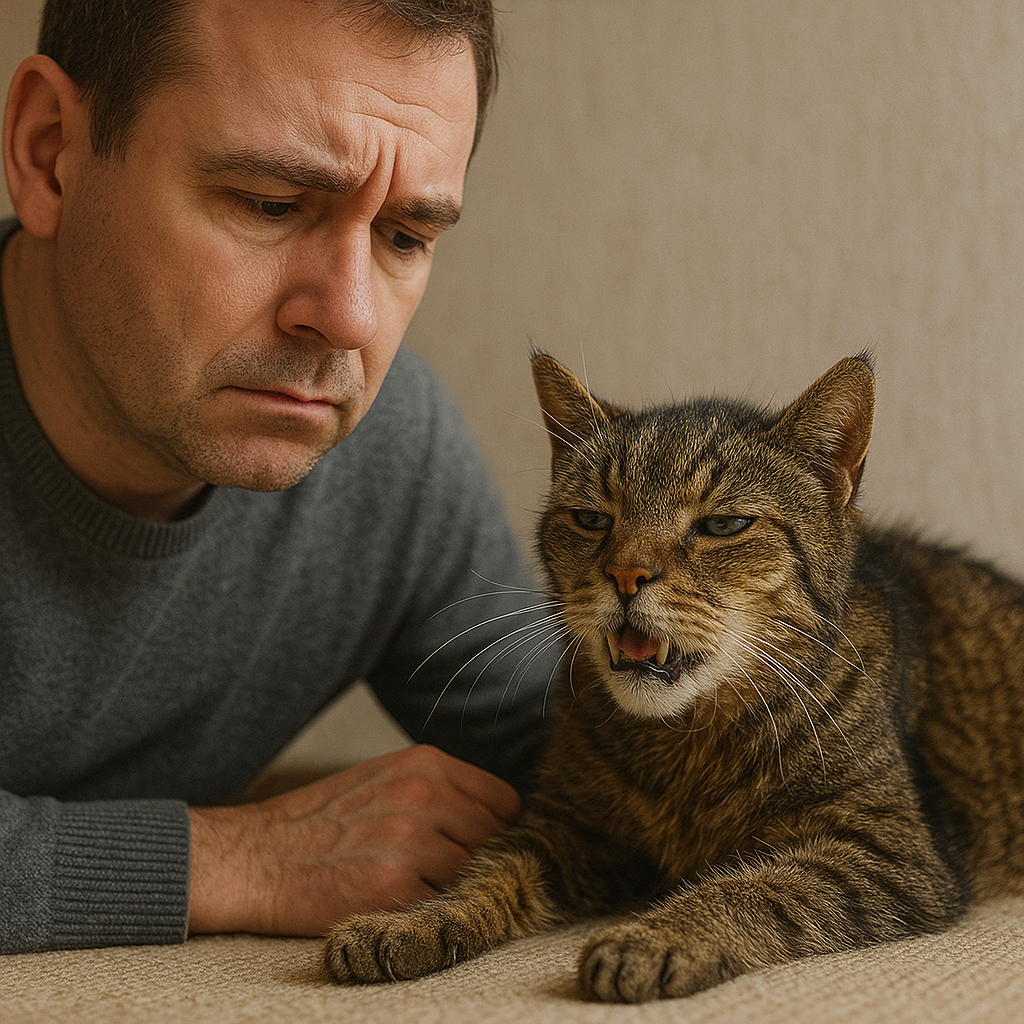
Irregular breathing patterns are common in dying cats. Their breaths may become shallow, rapid, or labored. In some cases, there might be a noticeable pause between breaths. This change happens because the heart and lungs are struggling to function normally.
4. Unusual Body Temperature
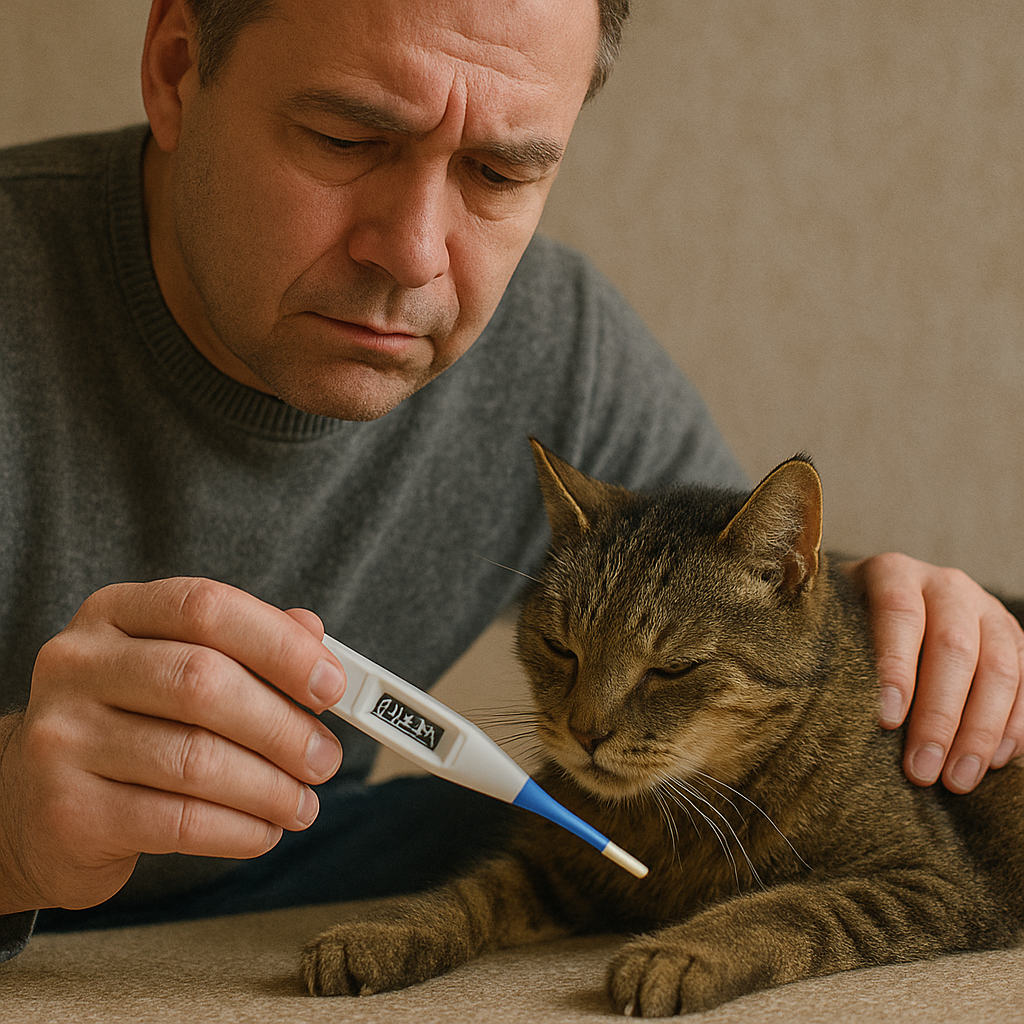
As the body shuts down, it becomes harder for a cat to regulate temperature. Their ears, paws, or nose may feel cooler than usual. Some cats may seek warm spots, while others may seem indifferent to their surroundings.
5. Incontinence or Trouble Using the Litter Box

Cats at this stage may lose control of their bladder or bowels. You may also notice they stop using the litter box altogether, simply because they are too weak to reach it. This can be distressing for both the cat and the owner.
6. Changes in Odor
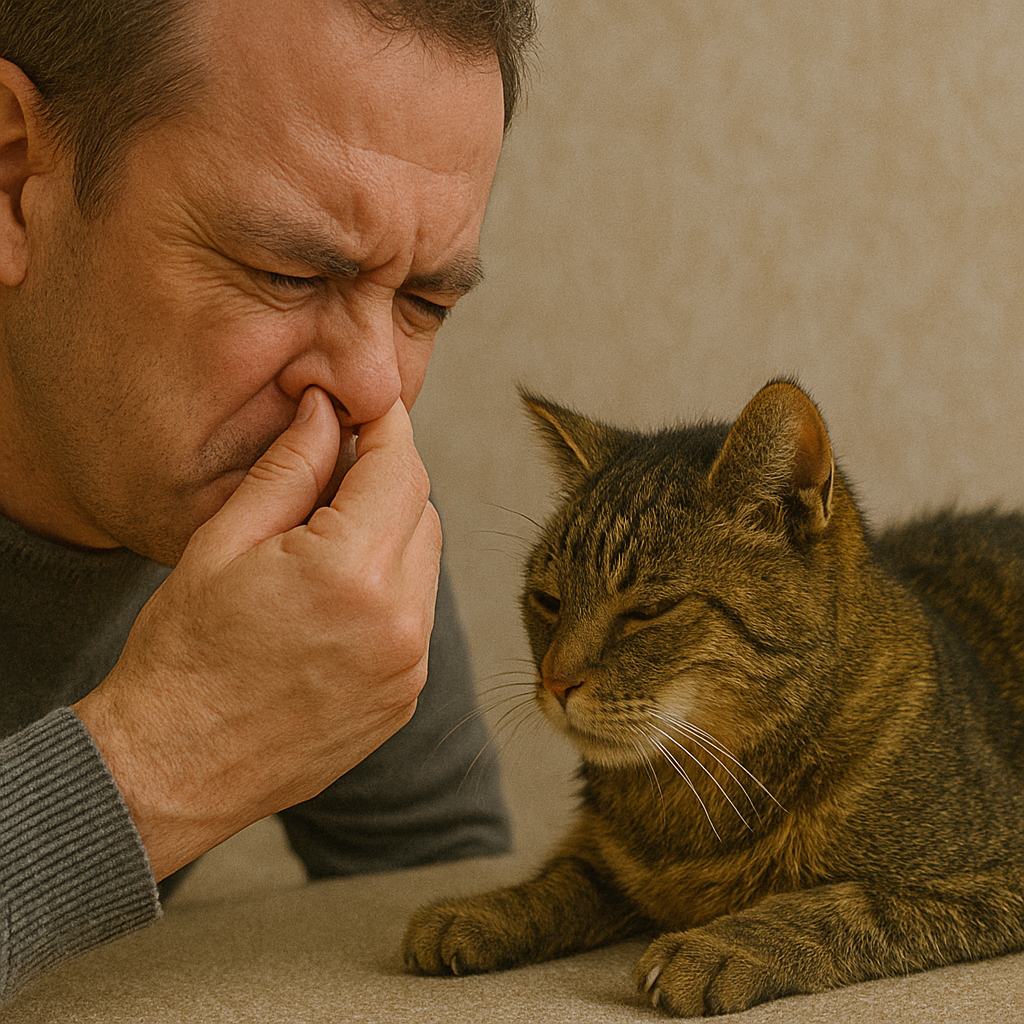
A strong, unusual smell can develop as organs begin to fail. This odor often comes from the mouth, skin, or waste. It is a natural part of the body’s decline, though it can be a clear signal of severe illness.
7. Seeking Isolation or Comfort
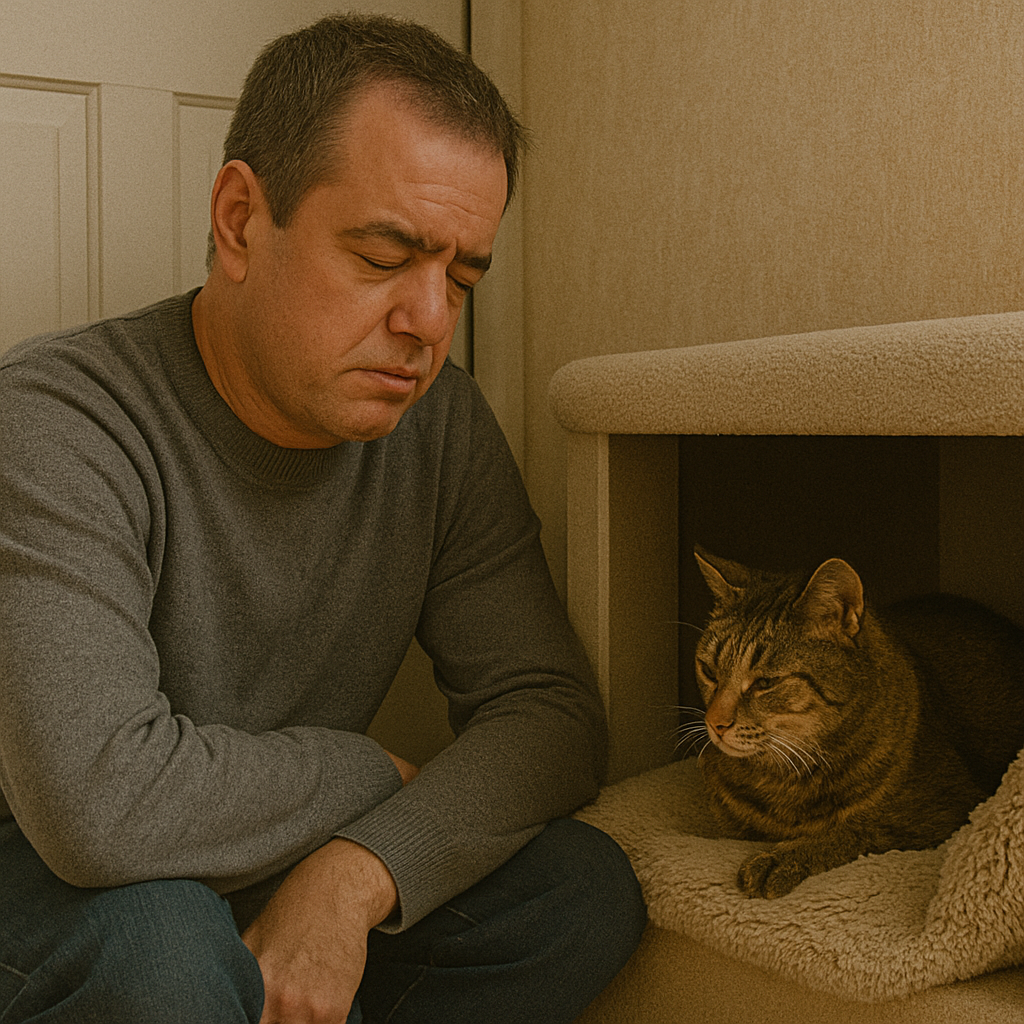
Some cats hide away when they are close to death, choosing a quiet, hidden place. Others may want to stay near their favorite human for reassurance. These behaviors come from instinct, either to protect themselves or to feel safe.
How to Comfort a Dying Cat
If you believe your cat is nearing the end, focus on making them as comfortable as possible. Provide a warm, quiet space, offer gentle touch if they enjoy it, and keep food and water close by. Speak softly, avoid loud noises, and consult your veterinarian about pain management and supportive care.