7 Surprising Facts About Cats and Lactose Intolerance
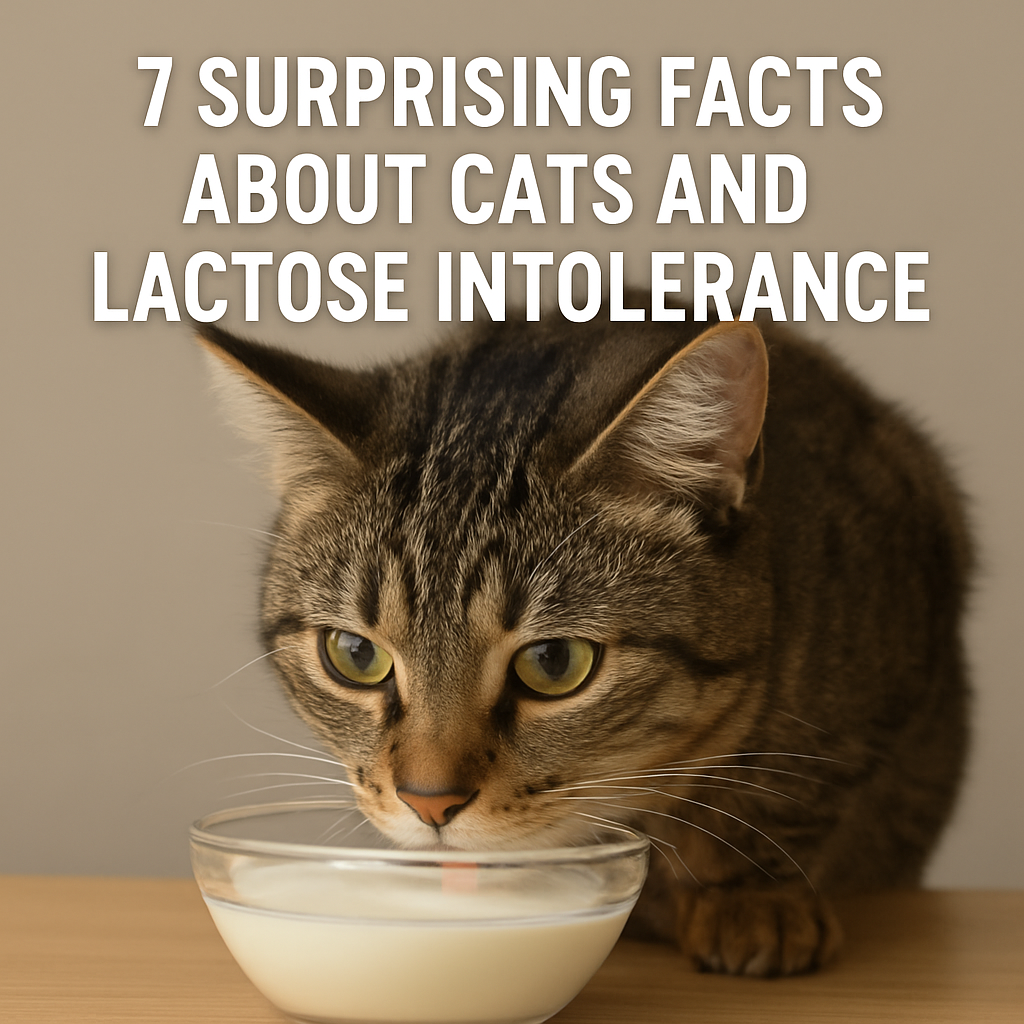
Many people picture a cat happily drinking a bowl of milk, but in reality, most cats struggle to digest dairy. Lactose intolerance in cats is more common than many pet owners realize. Understanding how milk affects felines is essential for keeping them healthy and comfortable.
Contents
- Are Cats Lactose Intolerance
- 1. Most Adult Cats Are Lactose Intolerant
- 2. Milk Can Cause Digestive Upset
- 3. Cheese and Cream Are Not Safer Options
- 4. Goat’s Milk and Lactose-Free Milk Can Be Alternatives
- 5. Cats Do Not Need Milk in Their Diet
- 6. Dehydration Should Never Be a Concern Without Milk
- 7. Safer Treats Exist for Cats
- Conclusion
- FAQs About Cats and Lactose Intolerance
Are Cats Lactose Intolerance
1. Most Adult Cats Are Lactose Intolerant
Kittens naturally produce an enzyme called lactase, which helps break down lactose found in their mother’s milk. As they grow older, production of this enzyme drops, making it difficult to digest dairy. This is why adult cats often develop digestive issues after drinking milk.
2. Milk Can Cause Digestive Upset
When lactose remains undigested in the gut, it ferments and leads to bloating, gas, and diarrhea. Even small amounts of milk may cause stomach upset in sensitive cats. A treat that seems harmless can quickly become uncomfortable for your pet.
3. Cheese and Cream Are Not Safer Options
Some people think cream or cheese is less harmful than milk. However, both still contain lactose and can trigger the same digestive problems. Additionally, the high fat content in cream and cheese may contribute to weight gain or pancreatitis in cats.
4. Goat’s Milk and Lactose-Free Milk Can Be Alternatives
While regular cow’s milk is problematic, lactose-free cat milk or specially formulated pet-safe milk is available. Goat’s milk contains slightly less lactose, but it is still not risk-free. Always check with a veterinarian before offering any milk substitute.
5. Cats Do Not Need Milk in Their Diet
Unlike humans, cats are obligate carnivores and rely on protein from meat for proper nutrition. Milk is not necessary and does not provide any unique health benefits. In fact, it can do more harm than good if given regularly.
6. Dehydration Should Never Be a Concern Without Milk
Some cat owners worry their pets will not drink enough water and offer milk instead. Cats should always have access to fresh, clean water. A wet food diet can also support hydration without the risks associated with dairy.
7. Safer Treats Exist for Cats
If you want to reward your feline friend, many healthier options are available. Cooked chicken, commercial cat treats, or even a bit of tuna in moderation make far better choices. These satisfy cravings without upsetting the stomach.
Conclusion
The idea of cats loving milk is a popular myth. While kittens thrive on their mother’s milk, adult cats often lose the ability to digest lactose. Giving dairy to your feline companion can lead to digestive discomfort, unnecessary calories, and health risks. Choosing safer alternatives ensures your pet stays both happy and healthy.