5 Important Reasons Ragdoll Cats Shouldn’t Go Outside
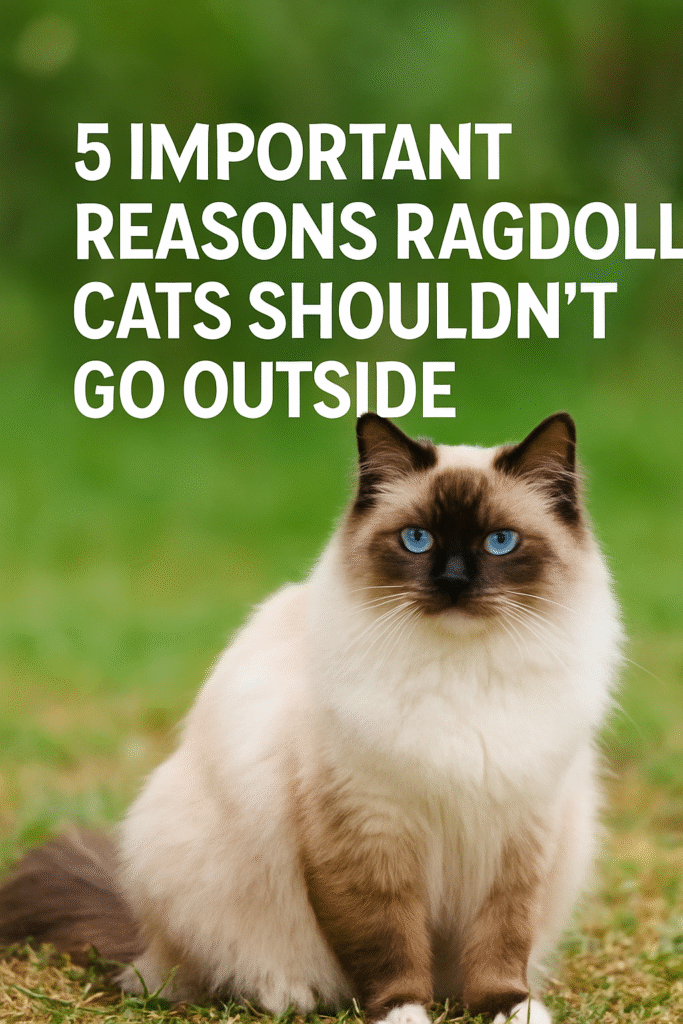
Ragdoll cats are known for their calm, gentle, and affectionate personalities. Their striking blue eyes and soft, fluffy coats make them one of the most loved indoor breeds. However, many cat owners wonder whether Ragdoll cats can go outside safely. While the idea of outdoor freedom sounds tempting, this breed faces unique challenges beyond the comfort of home. Let’s explore the top reasons why keeping your Ragdoll cat indoors is the best decision for its safety and well-being.
Can Ragdoll Cats Go Outside
1. Their Friendly Nature Makes Them Easy Targets
Ragdolls are famously friendly and trusting, even with strangers. This sweet nature, though charming, makes them vulnerable outdoors. Unlike more cautious breeds, they may approach unfamiliar people or animals without hesitation. Sadly, such behavior can put them at risk of theft or injury. Their rare looks and sociable personality make them a target for cat thieves who seek purebred cats for resale or breeding.
2. They Lack Street Survival Skills
Ragdolls are not built for outdoor survival. Unlike feral or outdoor cats, they have little sense of danger and no experience dealing with predators, cars, or rough weather. Their calm temperament means they may freeze or become confused in stressful situations instead of running to safety. Furthermore, their long fur can trap dirt and debris, making it harder for them to stay clean and healthy outside.
3. Outdoor Parasites and Diseases Are Serious Threats
The outdoors exposes cats to various health risks, including fleas, ticks, worms, and infectious diseases like feline leukemia or FIV. Even a brief outing can bring unwanted parasites home. Since Ragdolls often have dense, long coats, detecting parasites becomes even more difficult. Regular grooming helps, but prevention is always safer than treatment.
4. Environmental Dangers Are Everywhere
From busy roads and stray dogs to toxic plants and harmful chemicals, the outside world is full of hazards. Ragdolls are not naturally alert or defensive, making them more likely to encounter accidents. A sudden loud sound or aggressive animal could easily scare them, leading to injuries or disorientation. Moreover, their long fur can easily pick up burrs, thorns, or pollutants, which may cause skin irritation or discomfort.
5. Indoor Life Keeps Them Happy and Healthy
Contrary to popular belief, staying indoors doesn’t make Ragdolls unhappy. These cats thrive on human attention and comfort rather than outdoor exploration. With proper enrichment—such as climbing trees, scratching posts, and window perches—they can enjoy a stimulating life inside. Interactive playtime and mental challenges satisfy their curiosity while keeping them safe. Indoor living also extends their lifespan significantly compared to outdoor cats.
Creating a Safe Compromise
If your Ragdoll enjoys the outdoors, consider a controlled option like a catio or supervised walks using a secure harness and leash. These alternatives provide a taste of adventure without the dangers of free roaming. Always ensure the area is enclosed and escape-proof to keep your cat secure.
Frequently Asked Questions
Final Thoughts
Keeping a Ragdoll cat indoors is one of the kindest choices an owner can make. Their gentle nature, lack of outdoor instincts, and preference for human companionship mean they are far happier and healthier inside. With love, attention, and a stimulating indoor environment, your Ragdoll can live a long, joyful, and secure life without ever needing to roam outdoors.