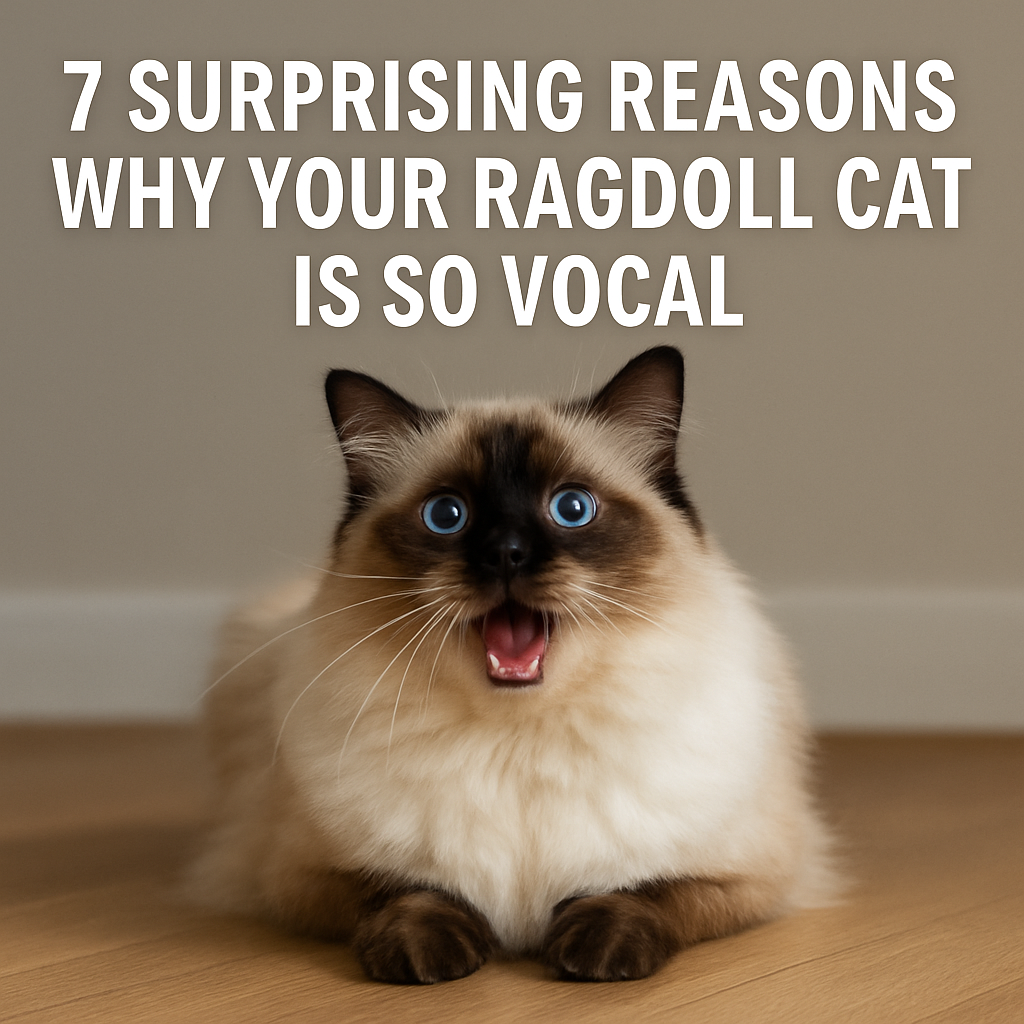
7 Surprising Reasons Why Your Ragdoll Cat Is So Vocal
Ragdoll cats are famous for their gentle nature, soft coats, and affectionate personalities. However, many owners notice that these felines are more vocal than expected. While their meows are not as sharp as Siamese cats, Ragdolls often use their voices to communicate in unique ways.
Understanding why your Ragdoll talks so much can help strengthen the bond between you and your cat.
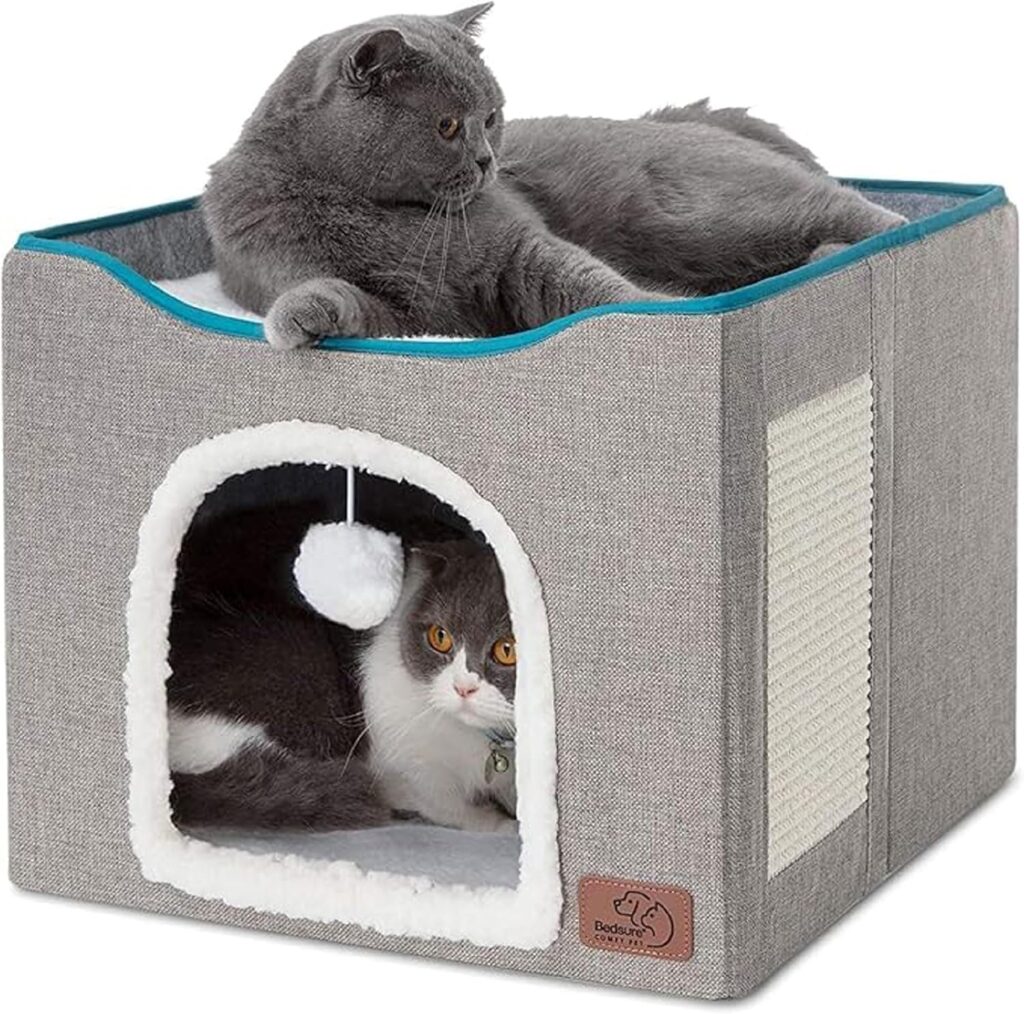
Gift Your Cat A Bed
Bedsure Cat Beds for Indoor CatsContents
Why Is My Ragdoll So Vocal
1. Seeking Attention
One of the most common reasons behind constant meowing is the desire for attention. Ragdolls are known as companion cats, meaning they love human interaction. When ignored for too long, they may vocalize to remind you that they want playtime, petting, or simple companionship.
2. Hunger or Feeding Schedule
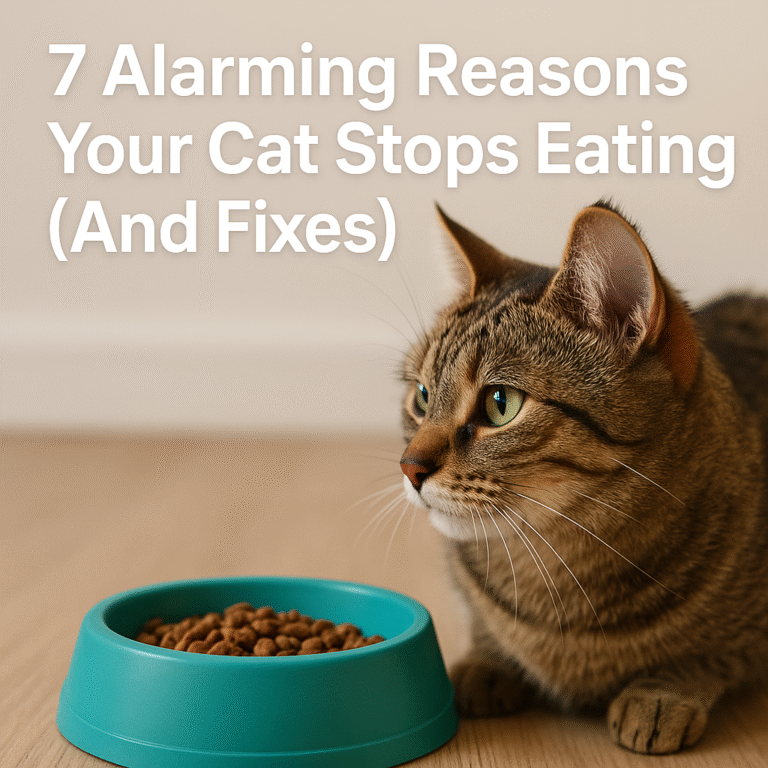
Another frequent cause of vocal behavior is hunger. If mealtimes are delayed, Ragdolls often become more expressive. They may meow near their food bowls or follow you around until their needs are met. Establishing a consistent feeding routine can reduce this type of vocalization.
3. Emotional Attachment
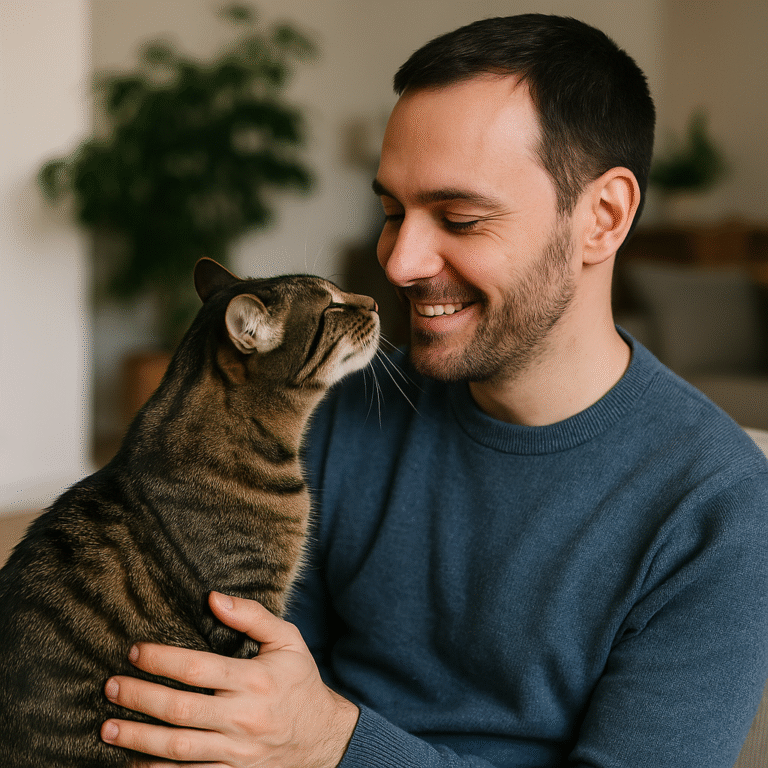
Unlike many independent breeds, Ragdolls thrive on closeness. They may call out when you leave the room or return home. This vocal trait reflects their deep attachment and desire to stay connected with their favorite human.
4. Stress or Anxiety
Changes in the environment, new pets, or loud noises may trigger anxiety in Ragdolls. Vocalization becomes their way of expressing discomfort. Identifying the cause of stress and creating a calm environment can help ease their worry and lower excessive meowing.
5. Health Concerns
Sudden changes in vocal patterns should never be ignored. Cats sometimes use their voices to show pain, discomfort, or illness. If your Ragdoll’s meowing becomes louder, more frequent, or unusual, consulting a veterinarian is essential to rule out health issues.
6. Natural Talkative Personality
Every cat has its own personality, and some Ragdolls are simply more talkative than others. Just like people, some enjoy expressing themselves more often. In these cases, their voice is just a part of their charm.
7. Breeding and Genetics
Although not as vocal as Siamese or Oriental breeds, Ragdolls may inherit communication traits from their genetic background. Selective breeding has influenced their personalities, including their tendency to “talk” more than other long-haired cats.
How to Manage Excessive Vocalization
If your Ragdoll’s meowing feels overwhelming, there are ways to manage it. Regular play sessions, scheduled feeding, interactive toys, and gentle training techniques can reduce unnecessary vocal behavior. Most importantly, paying attention to the context of their meows will help you understand their needs better.