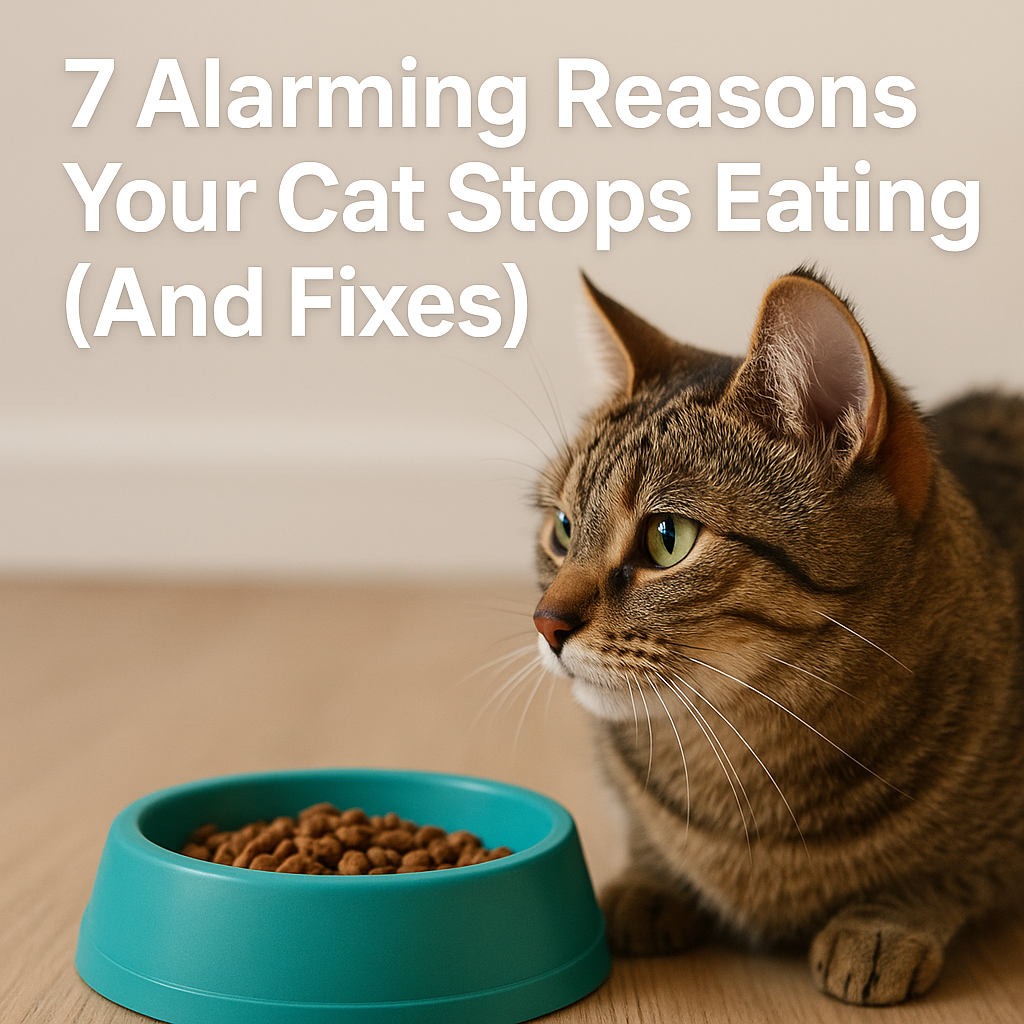
7 Alarming Reasons Your Cat Stops Eating (And Fixes)
Cats are known for being picky eaters, but when a healthy cat suddenly refuses food, it can be a red flag. Appetite loss, also called anorexia in veterinary terms, is often a symptom rather than the main problem. Understanding why this happens is essential for protecting your cat’s health and well-being.
Give A Gift to Your Cat
Contents
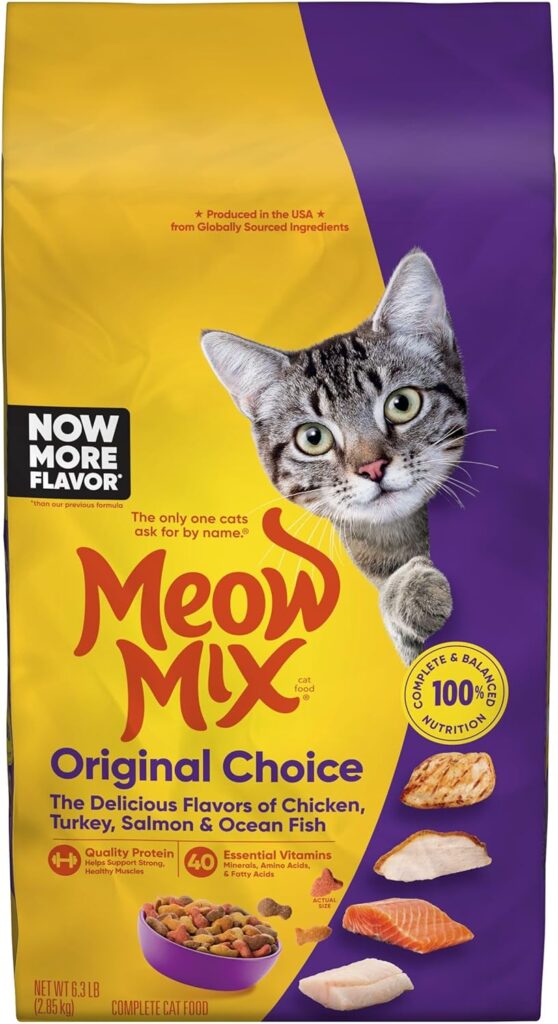
Meow Mix Original Choice Dry Cat Food
Best Seller Item on Amazon
Below are seven common reasons cats stop eating, along with solutions that can help restore their appetite.
When Cats Stop Eating
1. Dental Pain or Mouth Issues
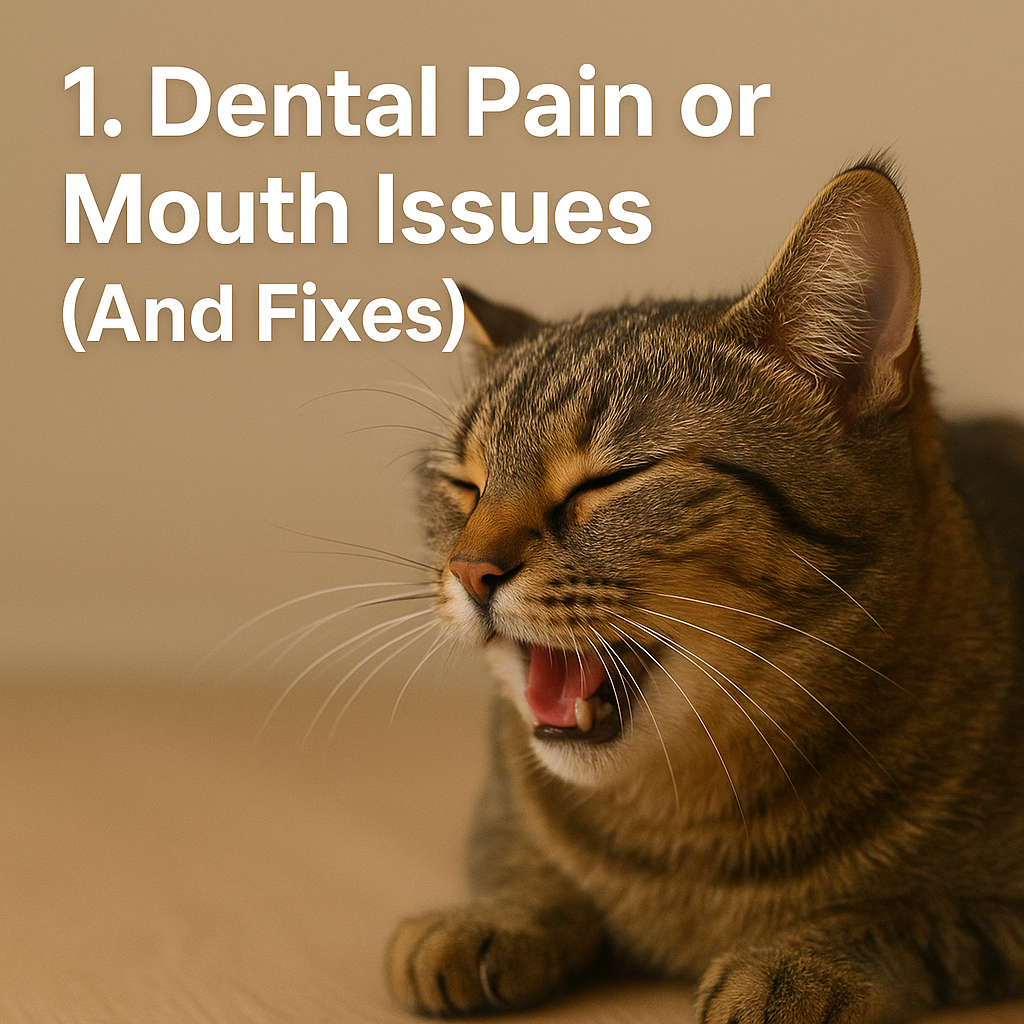
Painful teeth, inflamed gums, or oral ulcers can make eating uncomfortable. Conditions like gingivitis, stomatitis, or broken teeth often lead to sudden food refusal.
Fix: Schedule a veterinary dental check-up. Softening food or offering wet meals can help while the mouth heals.
2. Stress and Anxiety
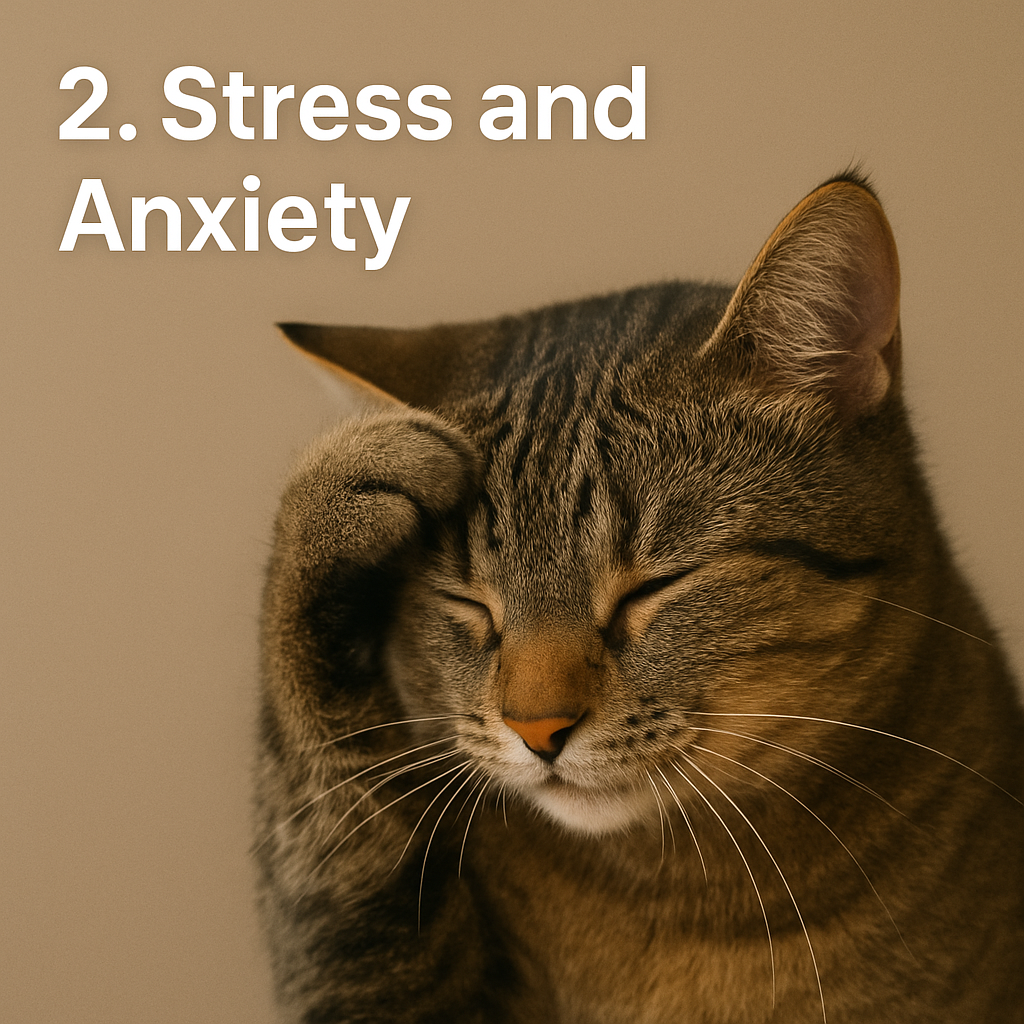
Changes in the home environment, such as moving, loud noises, or new pets, can cause stress. Cats often respond to anxiety by hiding or refusing food.
Fix: Keep your cat’s environment calm and predictable. Provide safe spaces, pheromone diffusers, and extra affection during stressful times.
3. Illness or Infection
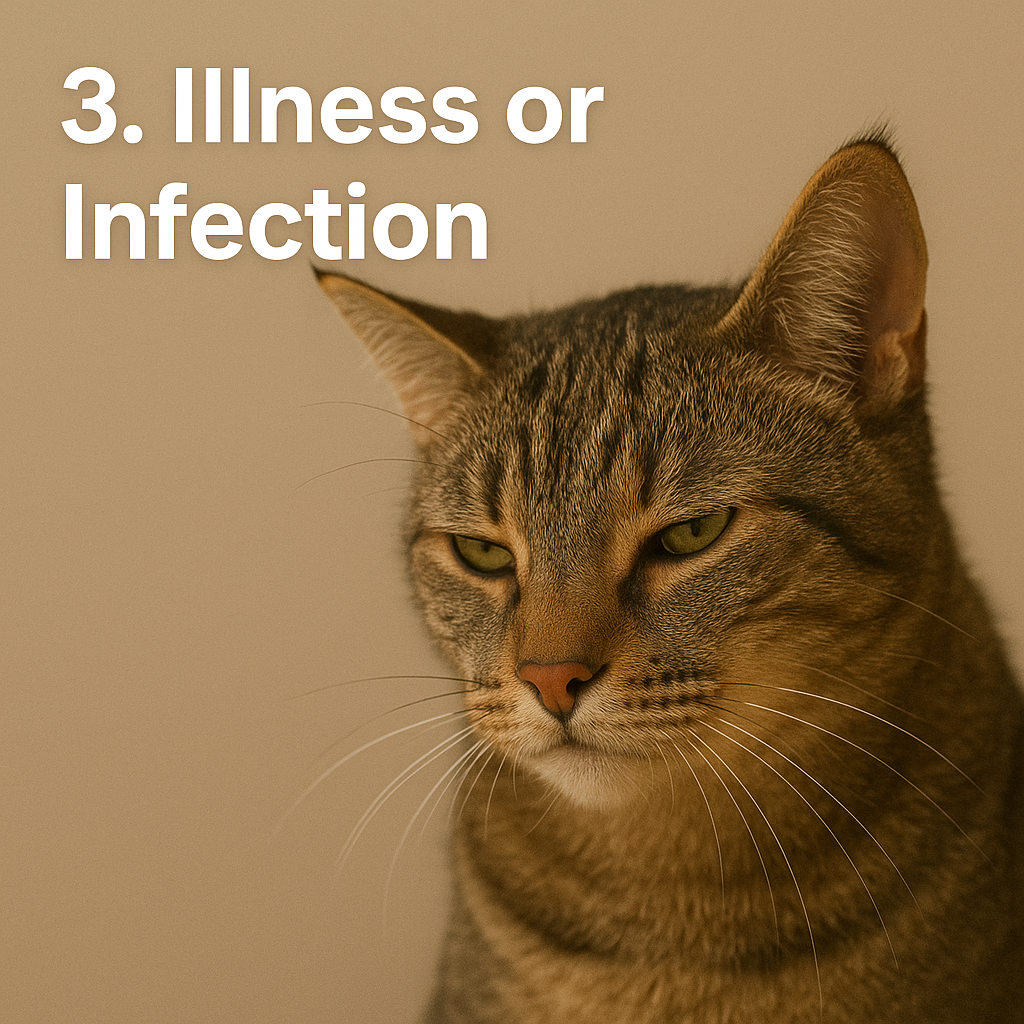
Respiratory infections, kidney disease, liver problems, and other illnesses can suppress appetite. Fever, lethargy, and nasal congestion may also make eating less appealing.
Fix: A veterinarian should assess any cat that hasn’t eaten for more than 24–48 hours. Early treatment improves recovery chances.
4. Food Preferences or Spoiled Food
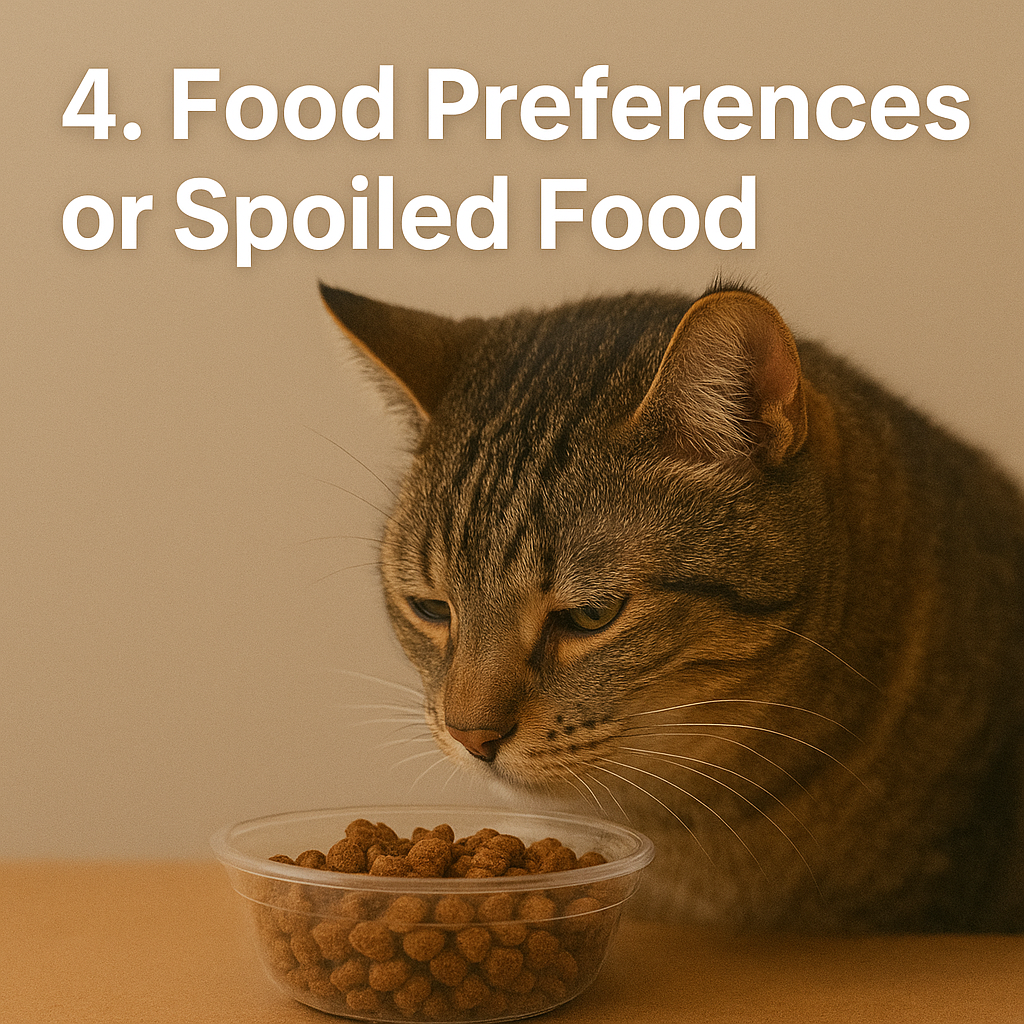
Cats have sensitive taste and smell. If the food is stale, expired, or a new brand they dislike, they may refuse it.
Fix: Check expiration dates and store food properly. Reintroduce familiar flavors gradually if changing diets.
5. Digestive Upset
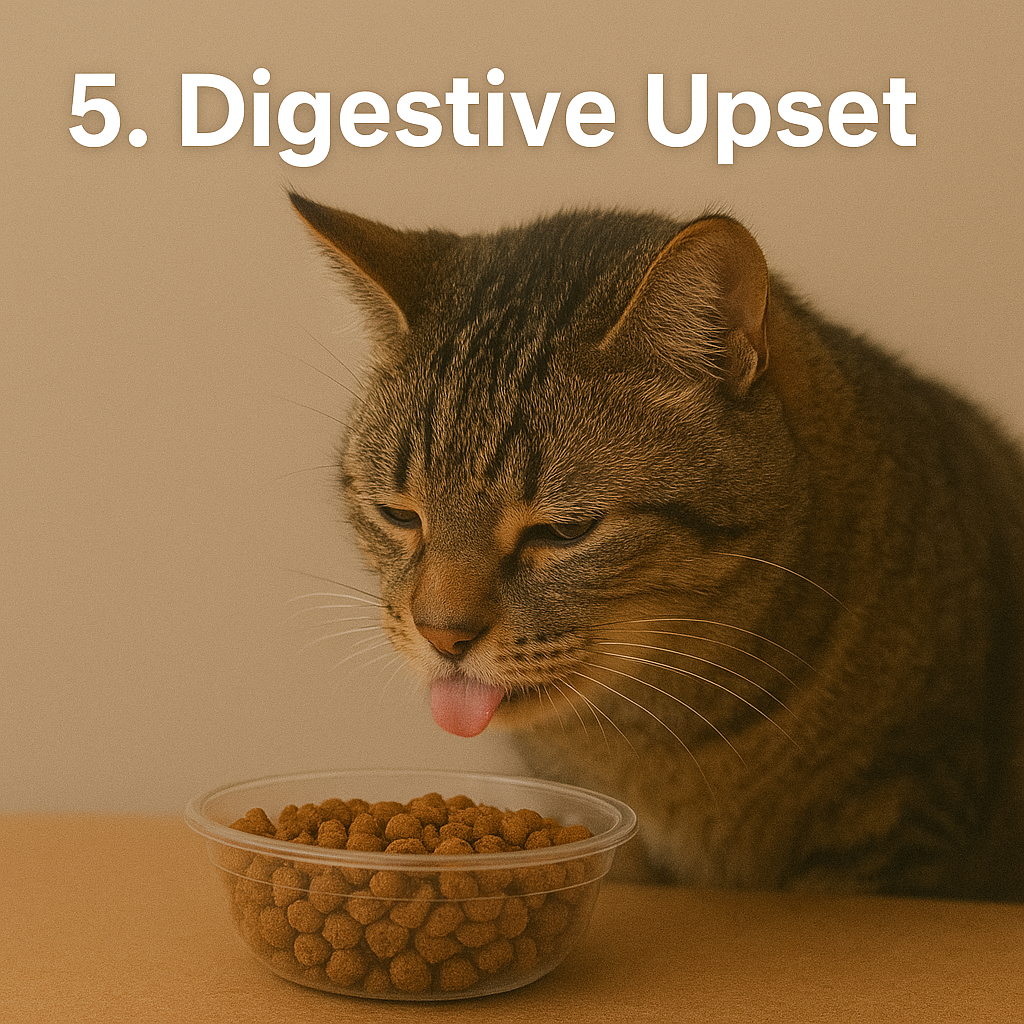
Nausea, vomiting, constipation, or hairballs can reduce appetite. Even mild stomach discomfort can make cats avoid meals.
Fix: Offer small, bland portions like vet-approved gastrointestinal diets. Encourage hydration and brush regularly to reduce hairballs.
6. Age-Related Changes
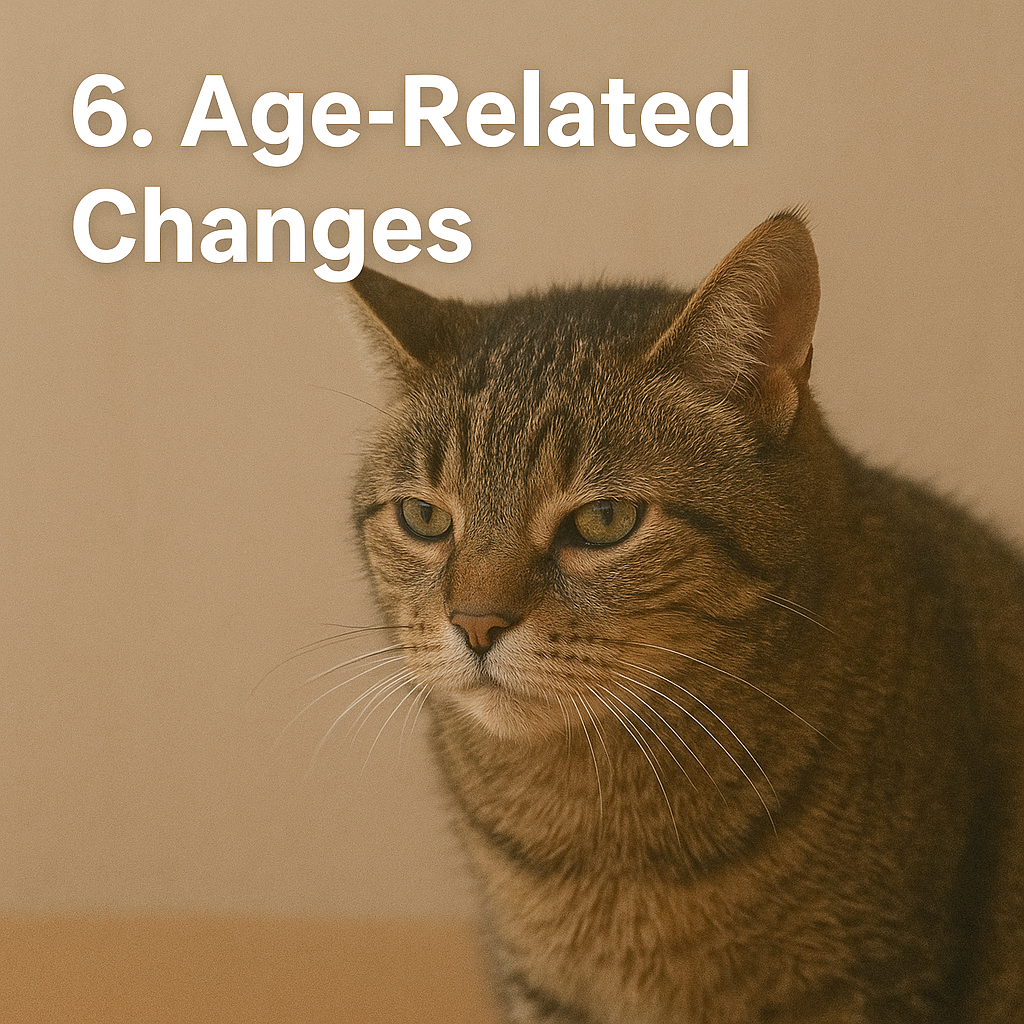
Senior cats may eat less due to reduced smell and taste sensitivity or slower metabolism. Arthritis pain can also make reaching the food bowl harder.
Fix: Provide easy-to-access feeding stations and use strong-smelling, high-quality wet foods to tempt older cats.
7. Serious Medical Emergencies
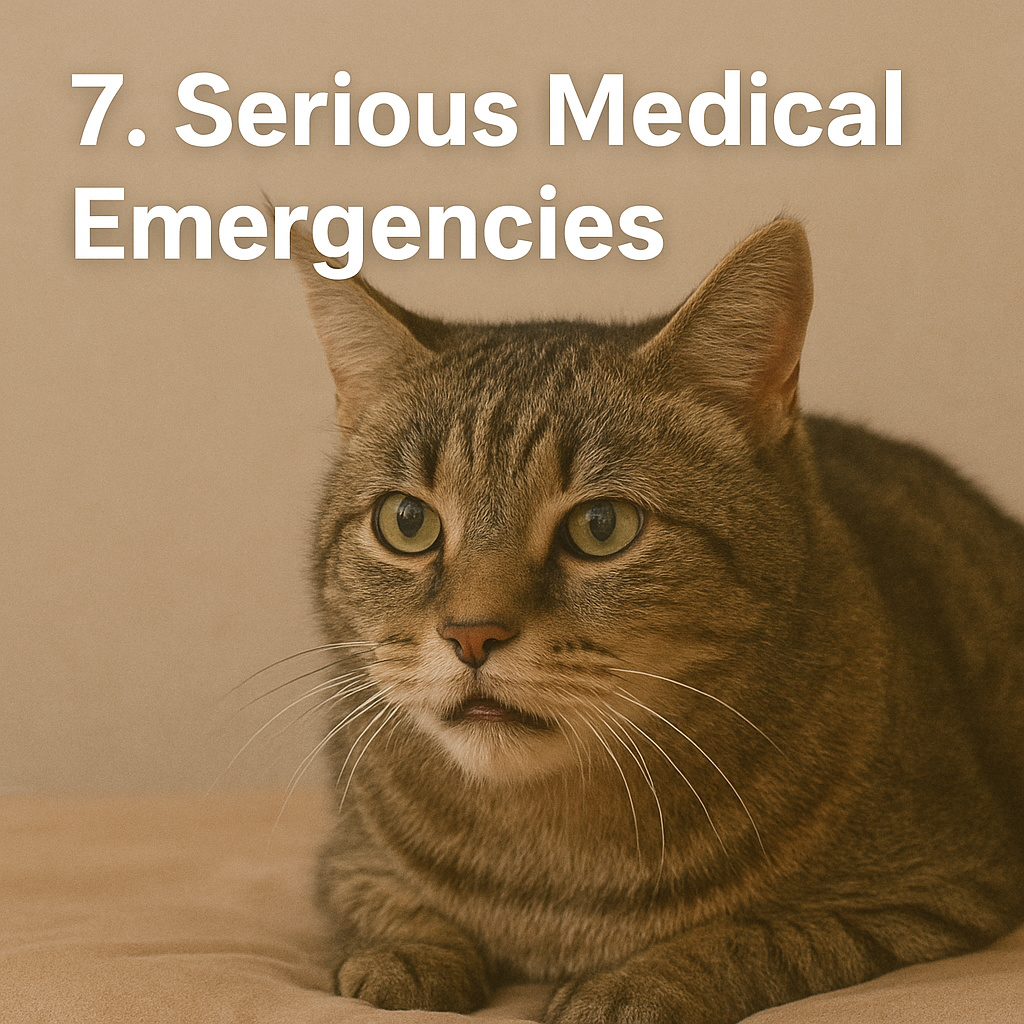
Conditions such as pancreatitis, intestinal blockages, or poisoning require urgent attention. Appetite loss in these cases can be life-threatening.
Fix: Seek immediate veterinary care if your cat shows additional symptoms like vomiting, diarrhea, or extreme lethargy.
Why You Should Act Quickly
Cats that go without food for more than 48 hours risk developing hepatic lipidosis, a dangerous liver condition. Always treat appetite loss as a serious matter.
Prevention Tips
- Schedule annual veterinary check-ups
- Keep feeding routines consistent
- Offer fresh, high-quality food daily
- Reduce stress in the home
- Monitor changes in eating habits